


Small Ship Cruise Greece: Why Fewer Passengers Means a Bigger Experience
The Greek islands you deserve to see, and why the size of the ship decides which ones you reach.
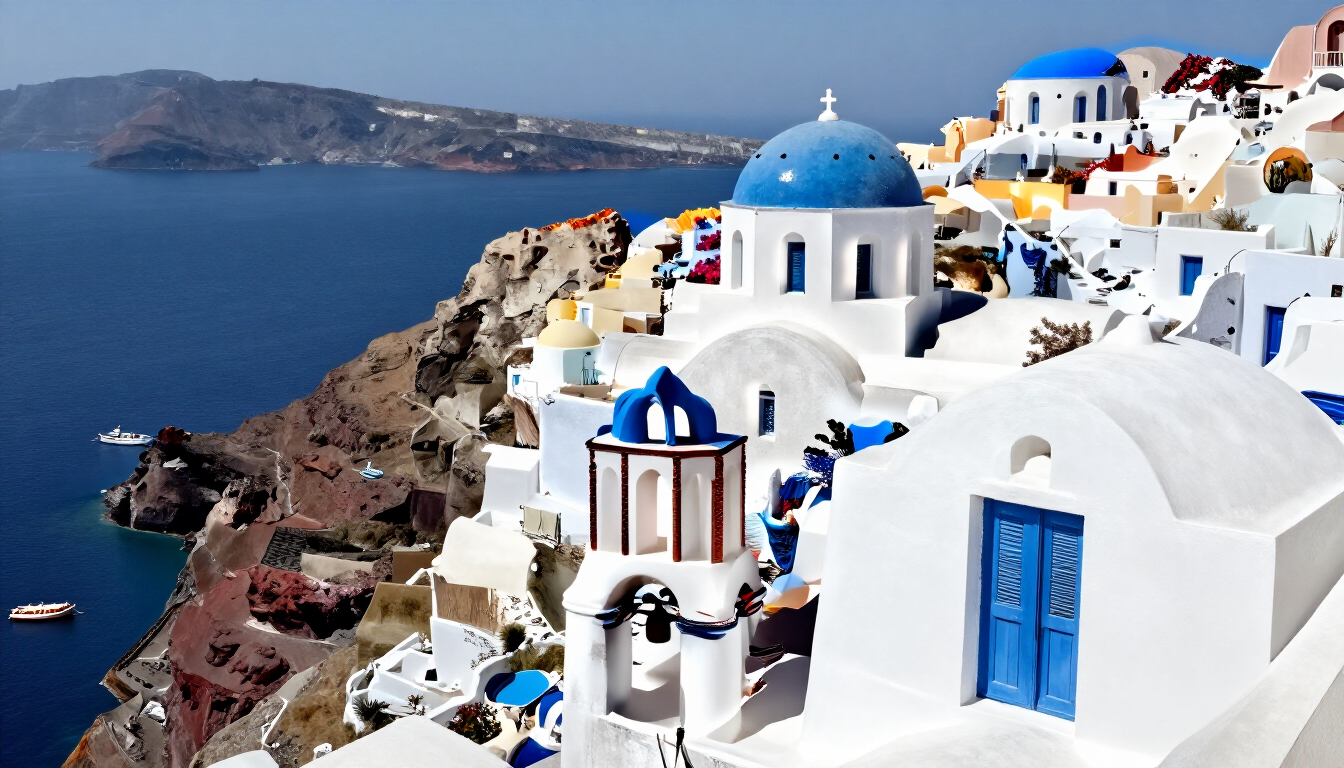
A small ship cruise in Greece delivers something the large cruise lines structurally cannot: access to harbours too small, too shallow, or too delicate for a vessel carrying thousands of passengers, and a pace that lets each stop actually register. This is not a minor difference between two similar styles of travel. It is a different way of experiencing the same sea, built around intimacy, access, and the particular pleasure of arriving somewhere that still feels like itself.
If a Greek islands cruise has been sitting on your list, the question worth asking is not simply which islands, but which kind of ship. The answer shapes everything from where you wake up each morning to how many other people are standing on the quay when you step ashore.
The Access Difference
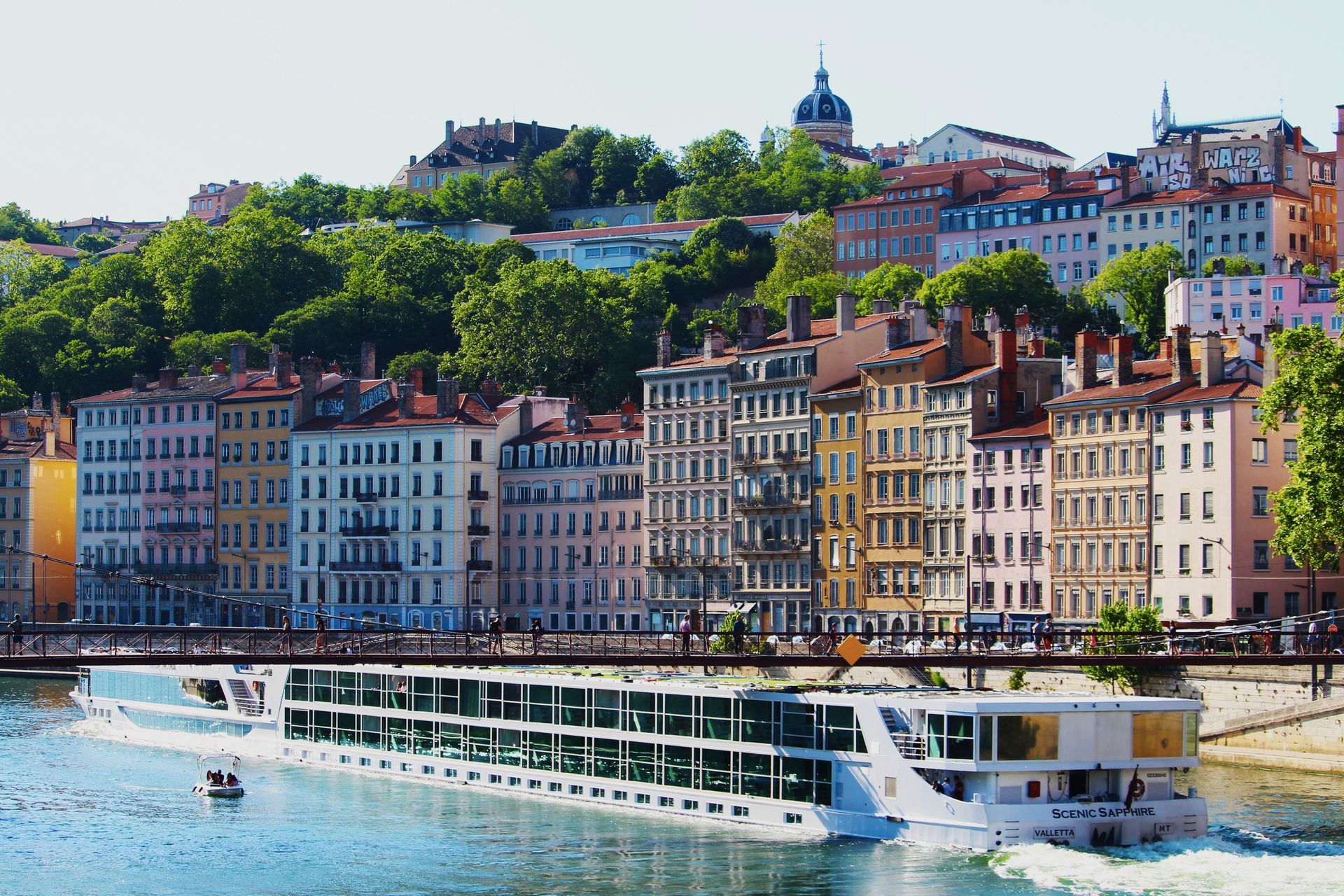
The difference begins with simple physics. A large cruise ship needs deep water, a long pier, and room to manoeuvre, which rules out a considerable number of the Aegean and Ionian Seas' most rewarding smaller ports. Where a large ship cannot dock, it typically anchors offshore and ferries passengers to land in smaller boats, a process that takes time and changes the character of the arrival. A small ship, carrying anywhere from a few dozen to a few hundred passengers, can often tie up directly in the harbour, so that stepping off the gangway puts you straight onto the quay, beside the fishing boats and the waterfront cafés.
Greece has an unusually large number of these harbours. The country has thousands of islands, and many of the loveliest are inhabited by only a few hundred or a few thousand people. Their harbours were built for fishing boats, local ferries, and private yachts, not for the logistics of a floating resort. A ship sized to match them can reach places that simply do not appear on a mainstream itinerary, and that is often where the most memorable days of a cruise happen.
Why Greece Is Made for Small Ships
Few places suit small-ship cruising as naturally as Greece. The islands sit close together, so a ship can travel between harbours in a few hours rather than a full day at sea, which leaves most of each day for being ashore. The coastline is deeply indented, with sheltered bays that make ideal swim stops, and the sea in many parts of the Aegean and Ionian is clear enough that a morning plunge from the back of the ship feels like a luxury rather than an excursion.
The culture of the islands also suits the format. Island life is built around the harbour, and the waterfront is where the day's business, meals, and conversations happen. Arriving by sea and stepping directly onto the quay places you in the middle of that rhythm rather than at the edge of it, which is a quiet but genuine advantage over arriving by bus from a distant terminal.
What Happens Onshore
The other half of the story is what a ship's arrival does to the town it visits. When several thousand passengers disembark within the same hour, even a genuinely charming village can feel temporarily overwhelmed, its lanes and cafés reshaped around managing the crowd. Narrow streets built for a few hundred residents fill quickly, and the quiet that drew the ship there in the first place disappears for the length of the visit.
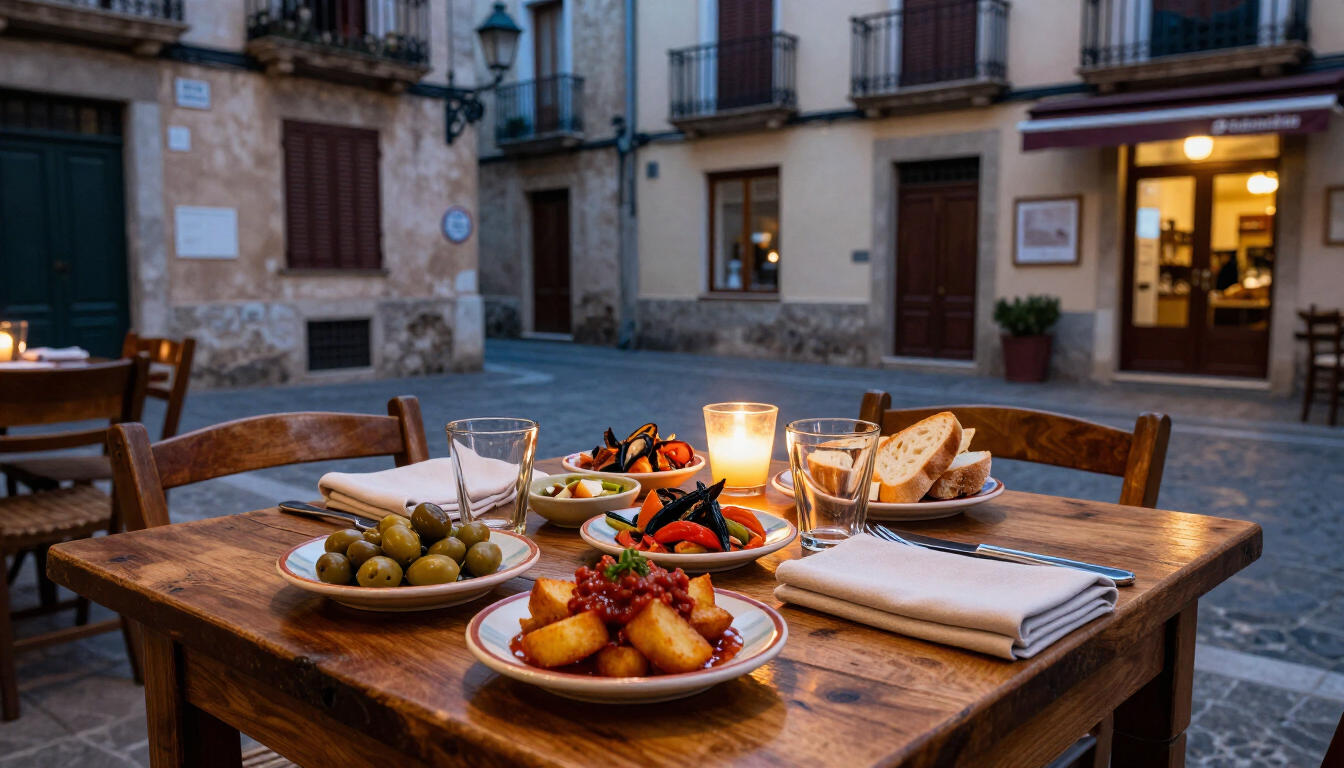
A small ship's arrival barely changes the atmosphere of a place. A hundred or so travelers spread through a village rather than flooding it, and the result is the kind of unhurried engagement with a place that gets lost in a larger crowd. You can sit at a harbourside table without a queue, wander a lane without being swept along by a tour group, and notice the details, laundry on a line, a cat on a doorstep, the afternoon light on a whitewashed wall, that a crowd tends to erase.
Life Aboard a Small Ship
The onboard experience is different as well. Smaller passenger counts generally mean more personal service, crew who learn your name by the second day, and a calmer atmosphere throughout the voyage. Dining rooms tend to be a single seating or a small number of them, public spaces are modest rather than grand, and the ship feels closer to a floating boutique hotel than a resort. Many small ships also carry onboard guides or lecturers who can explain the history of the next port in the evening before you arrive.
There is also the simple pleasure of scale. On a small ship you are rarely far from the water. The deck is close to the sea, the harbour is close to the deck, and a morning swim stop in a quiet cove can feel more like a private outing than a scheduled excursion. For many couples, that sense of closeness to the place is the whole reason to go small.
What a Small Ship Does Not Offer
An honest picture of small ship cruising includes the trade-offs. A smaller vessel usually has fewer facilities than a large ship, which means no waterslides, no casino, no theatre with a full production show, and often more modest cabins. Evening entertainment tends to be quiet, a talk, a local musician, conversation on deck, rather than a programme of shows. For couples who enjoy a busy ship with lots to do onboard, that can feel limiting.
Small ships can also cost more per person per day than a mainstream cruise, since the same crew and operating costs are spread across fewer guests, although what is included varies widely between operators and is worth comparing carefully. Smaller vessels are also more sensitive to weather. The Aegean can be breezy in summer, particularly when the meltemi wind blows, and an itinerary may be adjusted if conditions make a particular harbour uncomfortable. Flexibility is part of the experience, and couples who need a rigid schedule may find it frustrating.
Who a Small Ship Suits Best
A small ship tends to suit couples who care more about where they wake up than about what is on the ship's activity calendar. If your idea of a perfect afternoon is a long lunch at a quiet harbour, a swim, and a slow walk through a village you had never heard of, the format is built for you. It also suits couples who prefer a quieter, more conversational atmosphere in the evenings and are comfortable with a smaller group of fellow travelers.
It suits those who have already done a mainstream Mediterranean cruise and are looking for something more intimate, and those who are traveling to Greece for the islands themselves rather than for the ship. Couples who value a lively onboard social scene, a wide choice of restaurants, or extensive facilities may be happier on a larger vessel, and there is no shame in that. The right ship is the one that matches how you actually want to travel.
The Pace the Greek Islands Were Built For
The Greek islands reward slowness, and a small ship itinerary matches that rhythm in a way a large-ship cruise generally cannot. Many itineraries combine port days with swim stops and relaxed sea time, giving each place room to breathe. Some include an overnight in port, which lets you experience a harbour after the day visitors have gone, when the lights come on along the waterfront and the town settles into its evening.
That change of rhythm matters. A few hours in a place gives you a glimpse. An evening in the same place, with dinner at a family-run taverna and a walk along the quay afterwards, gives you something closer to a memory. It is one of the clearest advantages of traveling by a vessel small enough to stay. It also changes how you remember the trip. Days that include time to sit, swim, and wander tend to blur less than days spent moving from one scheduled stop to the next, and couples often find that the small, unplanned moments, a conversation with a café owner, a swim in an empty cove, become the ones they talk about for years afterward.
A Day Aboard, From Morning to Night
It helps to picture how an ordinary day unfolds. You wake to the sound of the ship settling into a harbour, pull back the curtain, and find a row of fishing boats and a waterfront already coming to life. Breakfast is unhurried, and by mid-morning you are ashore, perhaps on a guided walk through the old town with a small group, perhaps wandering on your own with a map and no particular goal.
Lunch might be aboard or at a taverna you have found by following the smell of grilled fish. In the afternoon, the ship may move on to a quiet cove for a swim, the anchor going down in water clear enough to see the seabed from the deck. Evenings begin with a drink on deck as the light turns gold, followed by dinner, and perhaps a short talk about tomorrow's port. On an overnight stay, there is time for a second dinner ashore and a late walk along the quay. Nothing about the day feels rushed, and that is precisely the point.
What a Week Might Look Like
Small ship cruises in Greece commonly run for about a week, sometimes longer, and are built around a handful of regions. Some focus on the Saronic Gulf islands near Athens, others on the Cyclades, the Dodecanese, or the Ionian Sea on Greece's western side. A well-paced itinerary alternates busier port days with gentler ones, so that a morning of sightseeing is followed by an afternoon of swimming rather than another excursion. Some itineraries lean toward well-known highlights experienced in a more intimate format, while others emphasise quieter harbours that rarely appear in a guidebook. Both approaches have real appeal, and the right one depends on what you are hoping to find.
Packing and Comfort
A small ship cruise asks for slightly different packing than a large resort-style cruise. Dress is typically relaxed, and evenings aboard are casual. Comfortable shoes with good grip matter more than almost anything else, since many Greek harbour towns climb steeply on stone lanes that can be slippery, and boarding a smaller vessel can involve a gangway or a short transfer by tender. Light layers suit the changing weather, along with a sun hat, good sunscreen, and a swimsuit you can slip into quickly for a morning dip. If you are prone to motion discomfort, it is worth mentioning before you book, since smaller ships can feel the sea more than large ones.
Questions Couples Usually Ask
A few concerns come up often enough to address directly. Is a small ship too quiet for a couple who likes some energy in the evening? It can be, and that is worth being honest about. The atmosphere is conversational rather than lively, so couples who enjoy a bustling ship will probably prefer a larger one. Is a small ship more likely to feel the waves? Generally yes, and the Aegean in summer can be windy, so it helps to choose your timing with that in mind and to ask how the operator handles itinerary changes in rough weather.
Will we get enough time ashore? That depends on the itinerary, which is exactly why comparing sailings matters. Some spend most of the day in port, and a few include overnight stays. Do we need to be good walkers? Some activity is almost certain, given the stairs and cobbled lanes in many island towns, though most excursions can be taken at a relaxed pace, and many travelers simply choose to sit at a harbourside café instead of joining a longer walk.
When to Go
Small ship cruising in Greece is largely a seasonal pursuit, running roughly from spring into autumn. Late spring and early autumn are popular with couples who want warm days, comfortable swimming, and fewer crowds in the ports. Midsummer offers the warmest sea and the longest days but brings the heaviest visitor numbers to the best-known islands and, in the Aegean, the strongest winds. Because the season is limited and the ships are small, the most sought-after departures can fill well in advance, so planning ahead is worth doing.
Booking Early
A small ship has far fewer cabins than a mainstream vessel, which means that when a particular sailing is popular, it can sell out sooner than a larger ship would. Cabin categories are limited, and the best locations onboard are limited further. Couples who hope for a specific departure date or a certain cabin type often find that waiting until the last minute narrows their options considerably. Availability and pricing change, so it is worth confirming current details for any sailing you are considering.
What Working with an Advisor Changes
Small ship itineraries vary widely from one sailing to the next, even within the same part of Greece, and two cruises marketed in similar words can offer very different experiences. Comparing the ports, the length of time in each, the number of passengers, and what is included takes patience and a clear idea of what you want from the trip. Buckets & Dreams Travel helps you compare the sailings available through our supplier partners and match them to how you and your partner actually want to travel, so the decision rests on the right details.
You deserve the real version of the Greek islands, unhurried, close to the water, and still entirely itself. A small ship is one of the best ways to reach it. Reach out and let us talk through what a small ship cruise could look like for the two of you.
✈️ Continue Your Travel Journey Every Wednesday, the Buckets & Dreams Weekly Travel Brief lands in your inbox — exclusive European travel inspiration, planning insights, and journey ideas we do not share anywhere else.
Recent Posts