

La Rioja Wine Country: Spain's Most Rewarding Wine Region, One Valley at a Time
Where the land, the barrel, and the glass all tell the same story.
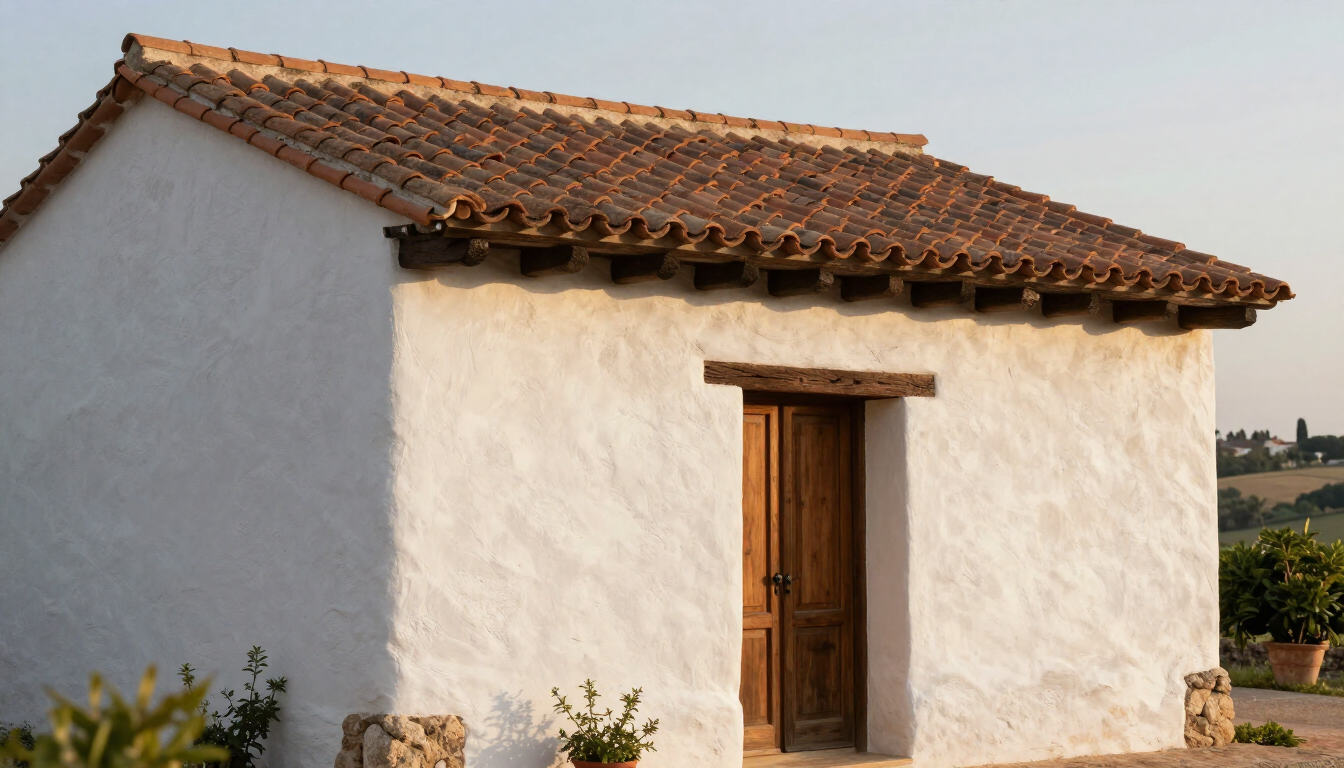
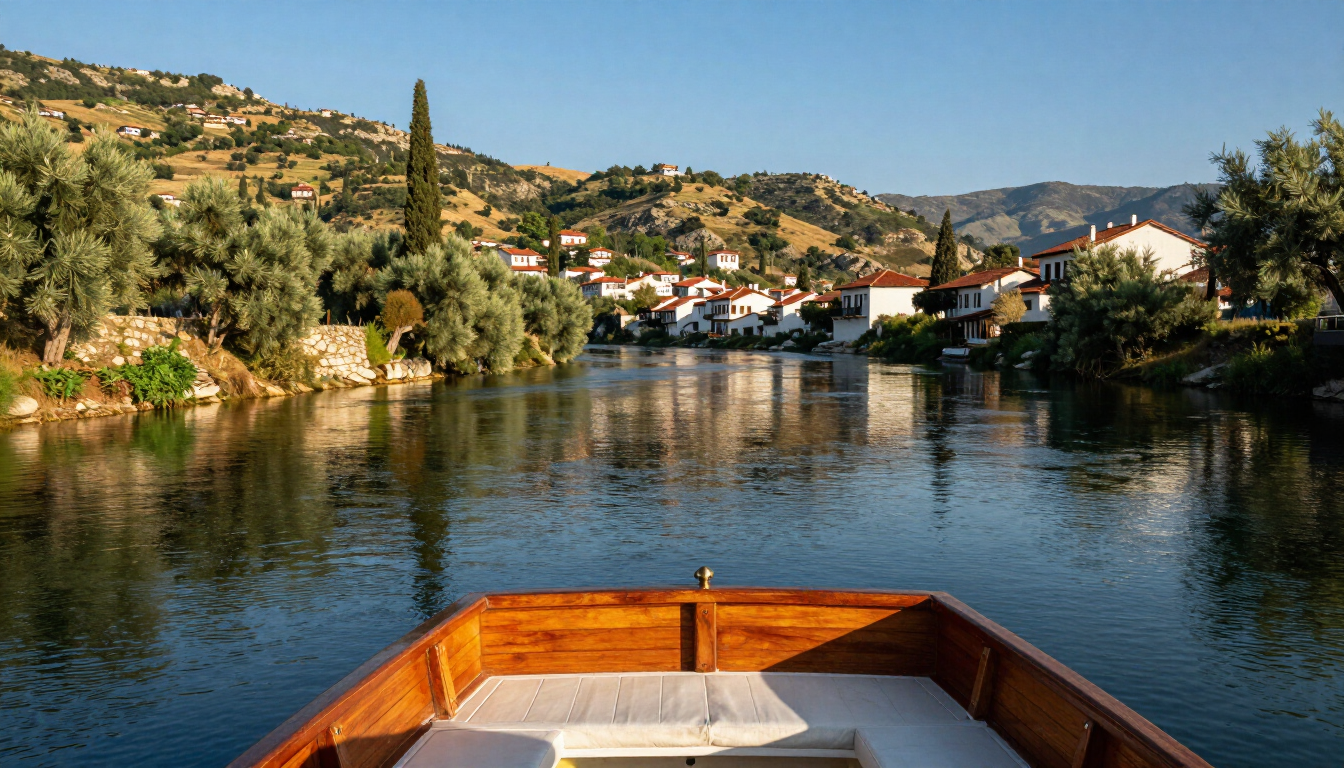
La Rioja wine country is one of the most genuinely rewarding wine destinations in Europe, not because it simply produces excellent wine, though it does, but because wine and food and landscape are so thoroughly woven together here that visiting the region feels less like a wine tour and more like being inside the story of how a place and a tradition grew up together over centuries, the barrel, the vine, and the kitchen all telling the same unbroken story.
The experience La Rioja delivers, for a couple with the right pace and the right access, is one that consistently exceeds expectations, even for travelers who arrive already expecting a great deal. The winemakers who pull up a chair and stay for an hour. The cellar visit that turns into a conversation about four generations of the same family working the same land. The meal that makes no sense without the wine being poured alongside it. These are the La Rioja experiences worth planning around, and the ones that require planning to actually reach.
The Region and Its Range
La Rioja is home to more than 600 wineries spread across three distinct subzones, Rioja Alta, Rioja Alavesa, and Rioja Oriental, each shaped by its own microclimate and soil composition, differences that show up clearly in the glass once you know to look for them. A Tempranillo grown in the cooler, higher elevations of Rioja Alta tastes noticeably different from one grown in the warmer, drier Rioja Oriental, and tasting that difference across a single afternoon is one of the region's quiet pleasures, the kind of detail that transforms a wine tasting from a pleasant afternoon into a genuine education in terroir.
A well-built wine country itinerary showcases this range rather than stopping at the handful of most heavily marketed bodegas, weaving together a family-run winery still working the land by hand alongside a larger, more established producer, so that a couple leaves with a real sense of the region's breadth rather than a single narrow impression of what Rioja tastes like after one visit.
Architecture as Part of the Experience
Alongside centuries-old stone bodegas, several of La Rioja's most celebrated wineries have commissioned striking contemporary buildings from internationally celebrated architects, creating a strange, wonderful contrast between ancient winemaking tradition and boldly modern design, sometimes within view of each other on the very same hillside. The Marqués de Riscal winery in Elciego, designed by Frank Gehry, is the most famous example, a titanium-clad building that looks like it arrived from another century entirely, standing above vineyards that have been worked since the 19th century. It is a genuinely extraordinary sight, and one that rewards a visit in person rather than a photograph, the titanium panels catching the light differently depending on the time of day and the season.
Logroño and Calle Laurel
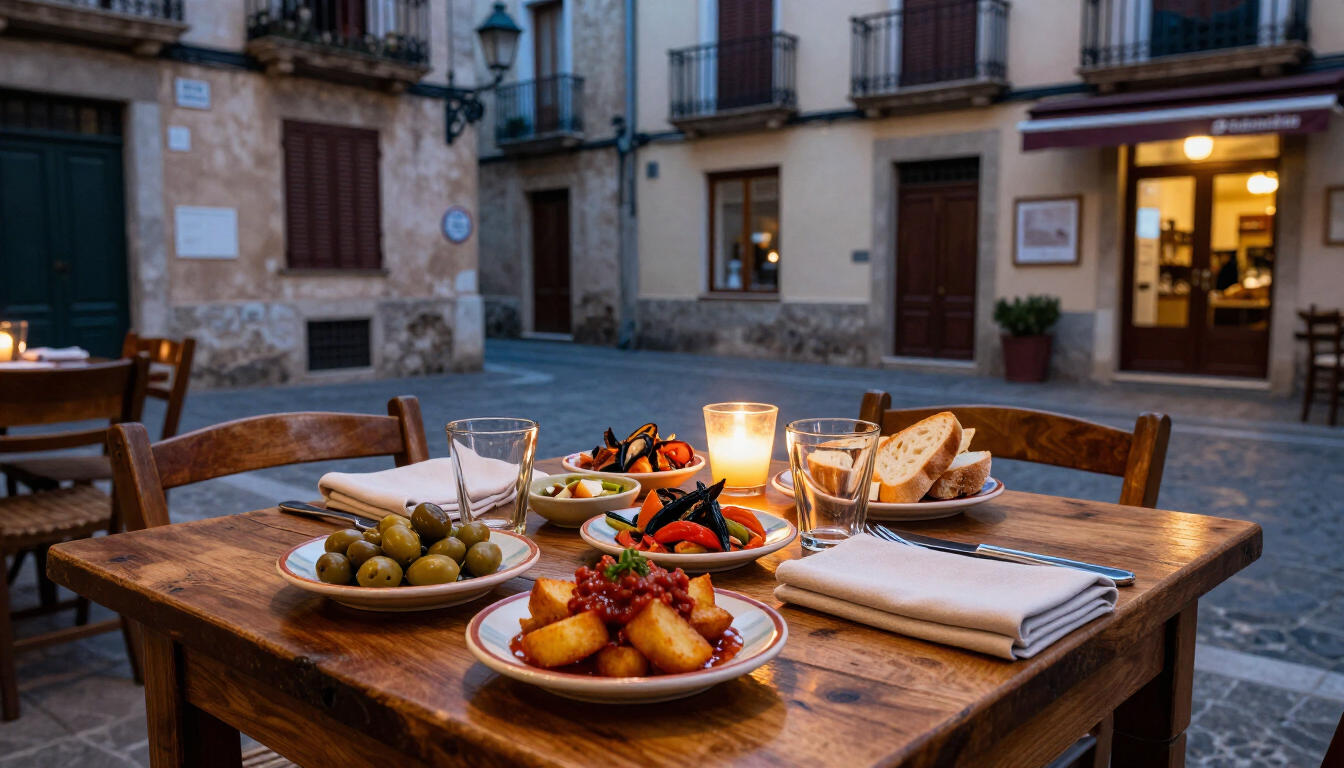
Logroño, the region's capital, offers its own essential food and wine experience beyond the wineries themselves, one that rewards an evening spent entirely on foot rather than behind the wheel. Calle Laurel, a single street packed with pintxo bars, each one known for a specific specialty, mushroom skewers at one counter, patatas bravas at another, a particular dish that exists nowhere else in the world except this one bar on this one street, offers the perfect, low-key introduction to a region that, at its grandest, includes hot air balloon rides over the vineyards at harvest and architecturally daring wineries, but at its most everyday, is simply about a good glass of La Rioja wine and something delicious to eat alongside it.
The Table Beside the Barrel
La Rioja's food culture exists in direct conversation with its wine, and understanding the pairing is part of understanding the region itself. Lamb, roasted slowly over vine cuttings in a wood-fired oven, remains the signature dish across much of the region, the smoke from the burning vines imparting a flavour that no other fuel quite replicates, a detail that ties the meal back to the vineyard itself in a way few other culinary traditions manage so directly, the very wood that shaped the wine now shaping the meal served alongside it. Patatas a la riojana, a hearty potato and chorizo stew flavoured with paprika, offers a simpler, more everyday counterpart, the kind of dish a family might make on a Sunday rather than serve to visitors, and often considerably more satisfying for exactly that unpretentious reason.
Cheese from the neighbouring Basque and Navarre regions frequently appears alongside a Rioja tasting, since the wine's structure and acidity hold up well against a firm, aged sheep's milk cheese in a way that a lighter wine simply could not manage, the tannins cutting through the richness rather than disappearing beneath it. A proper tasting menu built around these pairings, rather than a generic cheese board assembled without much thought, turns an afternoon of wine tasting into something closer to a complete meal, each course chosen specifically because of what is being poured alongside it rather than in spite of it, the two elements working together rather than simply coexisting on the same table.
A Week Built Around the Valley
A well-paced La Rioja stay typically centres on a single base, positioned to reach all three subzones without excessive daily driving, and unfolds around two or three winery visits spread across several days rather than a rushed, back-to-back tasting marathon that leaves every wine blurring into the next by the third stop. An early day might settle into Logroño itself, a wander down Calle Laurel, a slow dinner paired with the local wine, nothing more ambitious planned for the day.
A wine country day, the centrepiece of the whole stay, fits naturally into the middle of the week, a morning at a family-run bodega in Rioja Alavesa, tasting alongside someone who has worked the same slopes for generations, followed by lunch at the winery itself or a nearby village restaurant built around whatever the kitchen has that day rather than a menu fixed months in advance. An afternoon at one of the region's architecturally striking properties, Marqués de Riscal among them, offers a genuinely different kind of visit, part wine tasting, part architectural tour, worth building an entire afternoon around rather than treating as a quick stop between two other wineries.
The remaining days stay open by design, a return to a favourite bodega, a slow walk-through vineyard rows as the light softens in the late afternoon, an evening spent simply sitting with a glass of something poured earlier that day and no particular plan for what comes next.
Harvest Season
September and October in La Rioja wine country represent the region at its most extraordinary, vineyards turning gold, harvest underway, the air carrying the particular smell of crushed grapes that exists only for a few weeks each year. Many wineries offer harvest participation and new-vintage tastings only available during these weeks, a chance to taste something that did not exist as wine a few days earlier, still finding its shape in the tank or the very first days spent in barrel.
Outside of harvest, spring offers its own reward, vineyards budding green against the same terraced hillsides, noticeably fewer visitors at the most popular wineries, and a version of the region that feels considerably more unhurried than the concentrated energy of September and October, when every bodega in the valley seems to be working at once.
What Is Worth Booking Ahead
The best bodegas in La Rioja, particularly those with architecturally notable buildings or well-known winemaking families, require reservations weeks in advance during peak season, and during harvest many limit visitor numbers entirely to protect the crop itself rather than accommodate every visitor who hopes for a spot. A wine country trip built around whichever wineries happen to have last-minute availability is a genuinely different, and generally lesser, trip than one built around the specific bodegas a couple actually wants to see.
Accommodation follows a similar pattern. The small number of boutique properties actually situated among the vineyards, rather than in a nearby town, book out well ahead of the harvest season specifically, and a couple who wants to wake up looking out over the vines rather than a parking lot benefits considerably from planning further ahead than the rest of the trip might otherwise require, sometimes by several months rather than several weeks.
Getting There and Getting Around
La Rioja sits within reasonable reach of three regional connections, Bilbao to the north, Madrid to the south, and the smaller Logroño airport itself, which handles limited domestic routes but can simplify the final leg of a trip considerably for a couple flying within Spain rather than connecting directly from Canada. A transfer from Bilbao, the most common gateway for international visitors, typically runs under two hours by road, short enough that it barely registers as part of the trip once the Rioja countryside comes into view along the way, terraced vineyards replacing the Basque coastline almost without warning.
Once in the region, a car remains the most practical way to move between the three subzones, since public transit between the smaller wine villages is limited and not well suited to a schedule built around specific, time-sensitive winery appointments. For a couple who would rather not navigate unfamiliar roads after a day of tastings, a private driver arranged for the full stay, or for specific winery days, removes that concern entirely while still allowing the same flexibility a rental car would offer, stopping wherever the afternoon's mood actually leads them next.
Pairing La Rioja with the Rest of Spain
La Rioja rarely needs to stand entirely on its own within a larger Spain itinerary, and many of the most rewarding trips pair it with either the Basque Country to the north or a longer stay further south in Andalusia. A few days in San Sebastián before or after a La Rioja stay offers a genuinely different culinary register, the Basque Country's pintxo culture and ambitious tasting menus sitting in deliberate contrast to Rioja's slower, more agricultural rhythm, and the drive between the two regions passes through genuinely beautiful countryside worth the time in its own right.
A couple who wants the fuller range of what Spanish food and wine can offer sometimes builds a trip that opens in Andalusia, tapas bars and sherry country in the south, before moving north to La Rioja for a slower, more contemplative second half, two genuinely different versions of the same country experienced back to back within a single journey, each making the other feel more distinct by contrast, the movement of the south giving way to the stillness of the valley.
Questions Couples Usually Ask
A few concerns come up often enough to address directly, worth settling before a specific trip gets booked. Do you need to be serious wine enthusiasts to enjoy a La Rioja trip? Not particularly. Curiosity and an appetite for good food and unhurried afternoons matter more than any technical wine knowledge, and most winery visits are built to welcome genuine beginners as warmly as connoisseurs who already know exactly what they are tasting. Is a rental car necessary to explore the region properly? It helps considerably, since many of the best wineries sit outside the towns themselves, though a private driver or a guided tour removes the concern of driving after a day of tastings entirely, which most couples ultimately prefer regardless of their comfort behind the wheel back home.
Is La Rioja worth visiting outside of harvest season, or is autumn genuinely the only time that matters? Spring and early summer offer their own beauty, green vineyards and quieter wineries, and a wine region does not stop being worth visiting simply because the grapes are not actively being picked that particular week.
What Working with an Advisor Changes
The difference between a good La Rioja visit and a genuinely extraordinary one rarely comes down to the region itself, since Rioja is remarkable on its own merits regardless of how a trip is arranged. It comes down to which wineries are chosen, how the days are sequenced so no single afternoon feels rushed, and whether the harvest calendar or the quieter spring season actually matches what a couple wants from the visit. Buckets & Dreams Travel builds La Rioja itineraries around exactly this kind of groundwork, securing access to wineries and experiences before the best windows close, so that what remains for you and your partner is simply the tasting.
A Region Worth the Time It Asks For
La Rioja rewards patience in the glass and patience in the planning both, six hundred wineries, three distinct subzones, a titanium building standing above vines worked since the nineteenth century, and a single street in Logroño where an entire regional food culture concentrates into a few hundred metres of pintxo bars. None of the details above need to become your own research project before you go. Matching the right wineries to the right pace, timing the visit around harvest or the quieter spring season, and arranging the small logistics, the driver, the restaurant reservations, the architecturally striking winery that books out weeks ahead, is exactly the kind of groundwork that happens well before you and your partner ever arrive.
If this is the version of Spain you and your partner have been picturing, reach out, and let us talk through what a La Rioja wine country trip built specifically around the two of you could look like, whether that means a stay focused entirely on the valley or a longer journey that pairs it with the Basque Country or Andalusia.
✈️ Continue Your Travel Journey Every Wednesday, the Buckets & Dreams Weekly Travel Brief lands in your inbox — exclusive European travel inspiration, planning insights, and journey ideas we do not share anywhere else.
Recent Posts