
The Evolution of Adventure Travel: From Thrill-Seeking to Meaningful Experiences
- bucketsanddreamstr
- May 19
- 3 min read
Adventure travel has long been associated with adrenaline-pumping activities like heli-skiing, extreme mountain biking, and white water kayaking. Yet, this image is rapidly changing. Today’s adventure travel goes beyond physical thrills to include cultural immersion, food tours, and nature-based experiences. This shift is reshaping global tourism and turning adventure travel into a $1.16 trillion industry worldwide. Canadian travellers are playing a key role in this transformation, embracing a broader, richer definition of adventure.
Adventure Travel Is No Longer Just for Thrill Seekers
Recent data from the Adventure Travel Trade Association reveals that 67% of international travellers are now open to adventure travel. This means adventure travel is no longer a niche market but represents the majority mindset among travellers. Instead of seeking only excitement, travellers want to connect with local cultures, enjoy authentic experiences, and create meaningful memories.
For example, instead of just mountain biking down rugged trails, travellers might combine that with visits to local villages, tasting traditional foods, or learning about indigenous crafts. This blend of physical activity and cultural engagement defines modern adventure travel.
How Canadian Travellers Are Leading the Change
Canadian travellers are embracing this new style of adventure travel with enthusiasm. They tend to spend more on their trips—about $265 per day—and stay longer, averaging 11 days per trip. This means Canadians prefer immersive journeys over quick getaways.
Popular examples include:
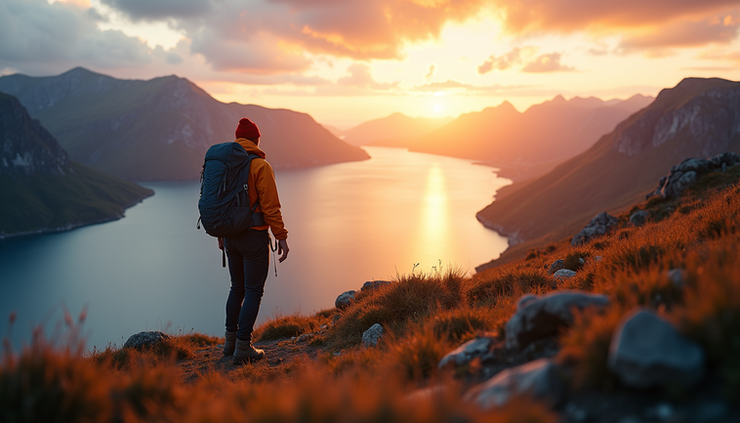
Hiking through the forests and fjords of Scandinavia
Participating in culinary tours across Europe, sampling local wines and dishes
Experiencing wildlife and nature excursions within Canada, such as bear watching in British Columbia or kayaking in the Atlantic provinces
Importantly, up to 76% of the money spent by Canadian adventure travellers goes directly to local communities. This supports small businesses, local guides, and sustainable tourism initiatives, ensuring that travel benefits the places visited.
The New Definition of Adventure Travel
Adventure travel today is about the whole experience, not just physical challenges. Travellers combine activities like hiking and cycling with cultural and culinary experiences, wildlife encounters, and nature exploration. This approach offers a deeper connection to destinations and their people.
Cultural and culinary experiences have become just as important as traditional outdoor activities. For instance, a trip to Italy might include cycling through the countryside, visiting historic towns, and enjoying farm-to-table meals with local families. Similarly, a Caribbean adventure could mix snorkeling with learning about local music and dance traditions.
Top Destinations for Adventure Travel
Western Europe leads the list of preferred destinations for adventure travellers, followed by Canada, the Caribbean, the Mediterranean, and Central America. These regions offer a rich mix of landscapes, cultures, and activities that appeal to the modern traveller’s desire for meaningful experiences.
For example:
Western Europe offers historic cities, scenic hiking trails, and renowned culinary scenes.
Canada provides vast wilderness, wildlife viewing, and Indigenous cultural experiences.
The Caribbean combines beautiful beaches with vibrant local traditions.
The Mediterranean offers a blend of coastal beauty, ancient history, and diverse cuisines.
Central America attracts travellers with its rainforests, volcanoes, and rich cultural heritage.
What Canadian Travellers Expect Before Booking
Three major trends shape Canadian travellers’ choices before they book an adventure trip:
Sustainability: Travellers now expect eco-friendly options and prefer smaller, locally owned businesses that minimize environmental impact.
Authenticity: They seek genuine experiences that connect them with local culture and traditions.
Personalization: Customizable itineraries that blend activities, food, and cultural experiences are highly valued.
These preferences reflect a shift toward responsible travel that respects destinations and creates lasting positive impacts.
Adventure travel has evolved from pure thrill-seeking to a rich, immersive experience that connects travellers with people, culture, and nature. Canadians are at the forefront of this change, choosing longer trips that support local communities and embrace sustainability. Whether hiking in Scandinavia, exploring culinary delights in Europe, or discovering wildlife in Canada, today’s adventure travellers seek more than excitement—they want meaningful journeys that enrich their lives and the places they visit.


Comments